Our story
It all began
with a bag that didn’t exist.
Casablanca, 2017. A new laptop, trips ahead, and not one leather satchel that could take the road without costing as much as the journey. Miratti was born from that gap.
Milestones
-
2017
The gap.
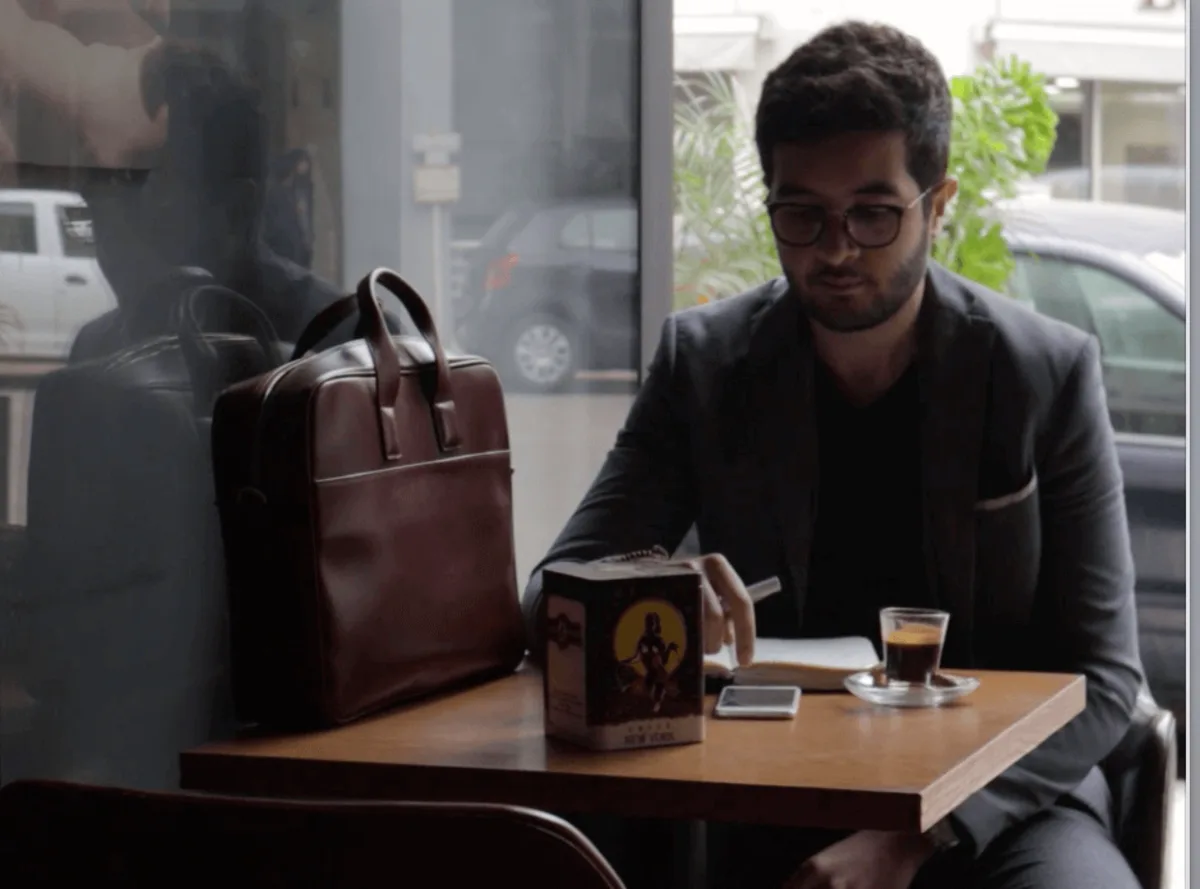
An engineer by training, who has already founded an online learning platform, is looking for a satchel for his laptop and his travels. In the shops of Casablanca he finds only two worlds: bags from the great houses, far out of reach, and soulless bags that answer no need. Nothing in between. He decides to have his own made.
-
2018
The first prototype.
A designer with a passion for leatherwork takes up the challenge. Several meetings, a few trials, and in May 2018 the first prototype is ready: a leather briefcase designed for the laptop, the tablet, the cables and the keys. Friends want one. A video shot in a garage announces a small stock: more than a hundred orders in under two months, each delivered by hand, one by one. Every customer’s feedback corrects the next model.
-
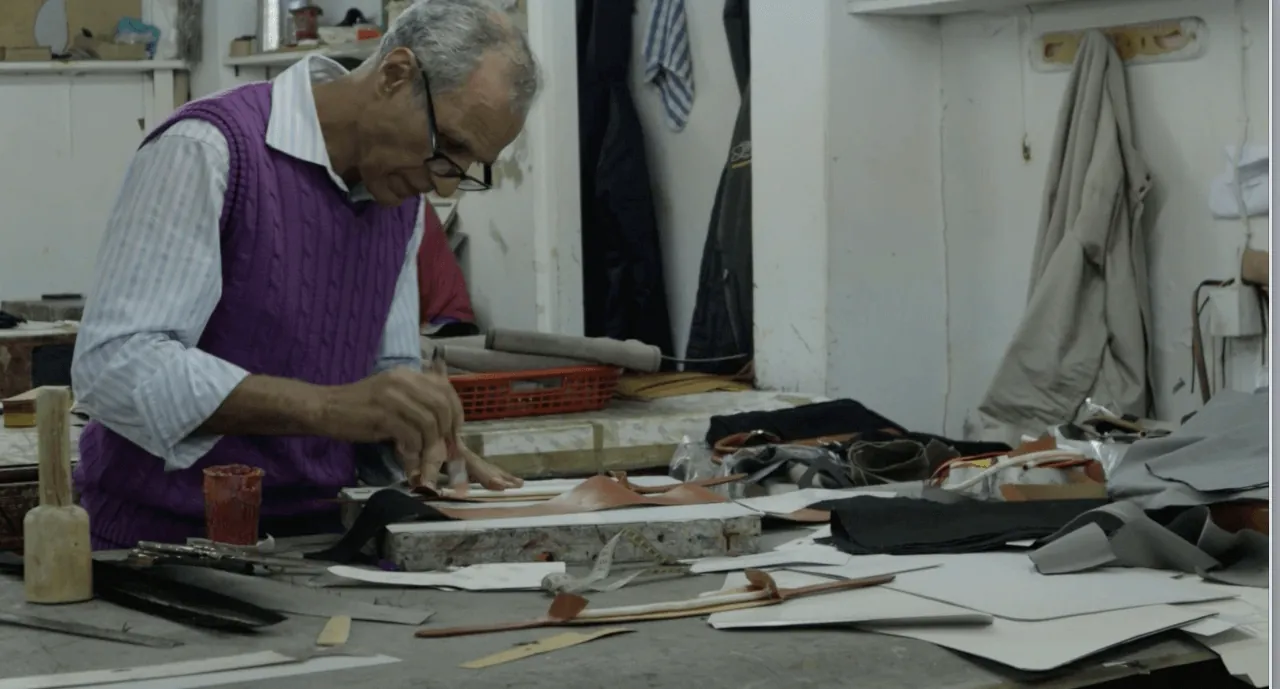
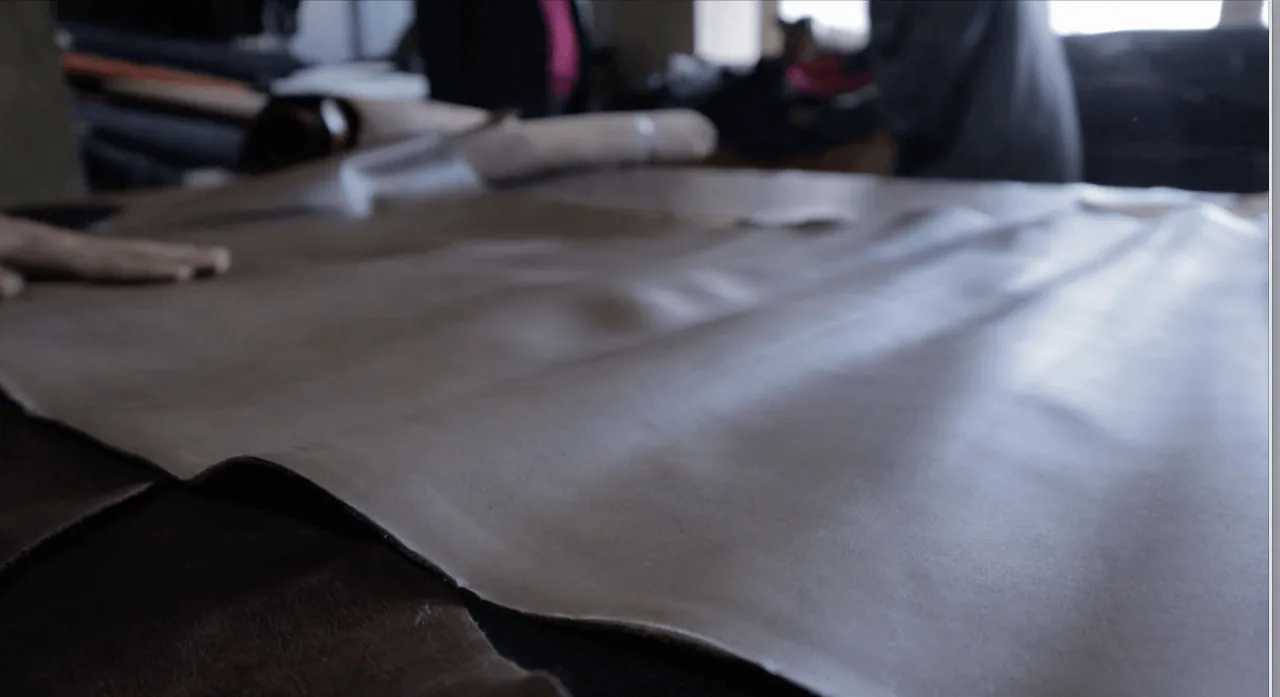
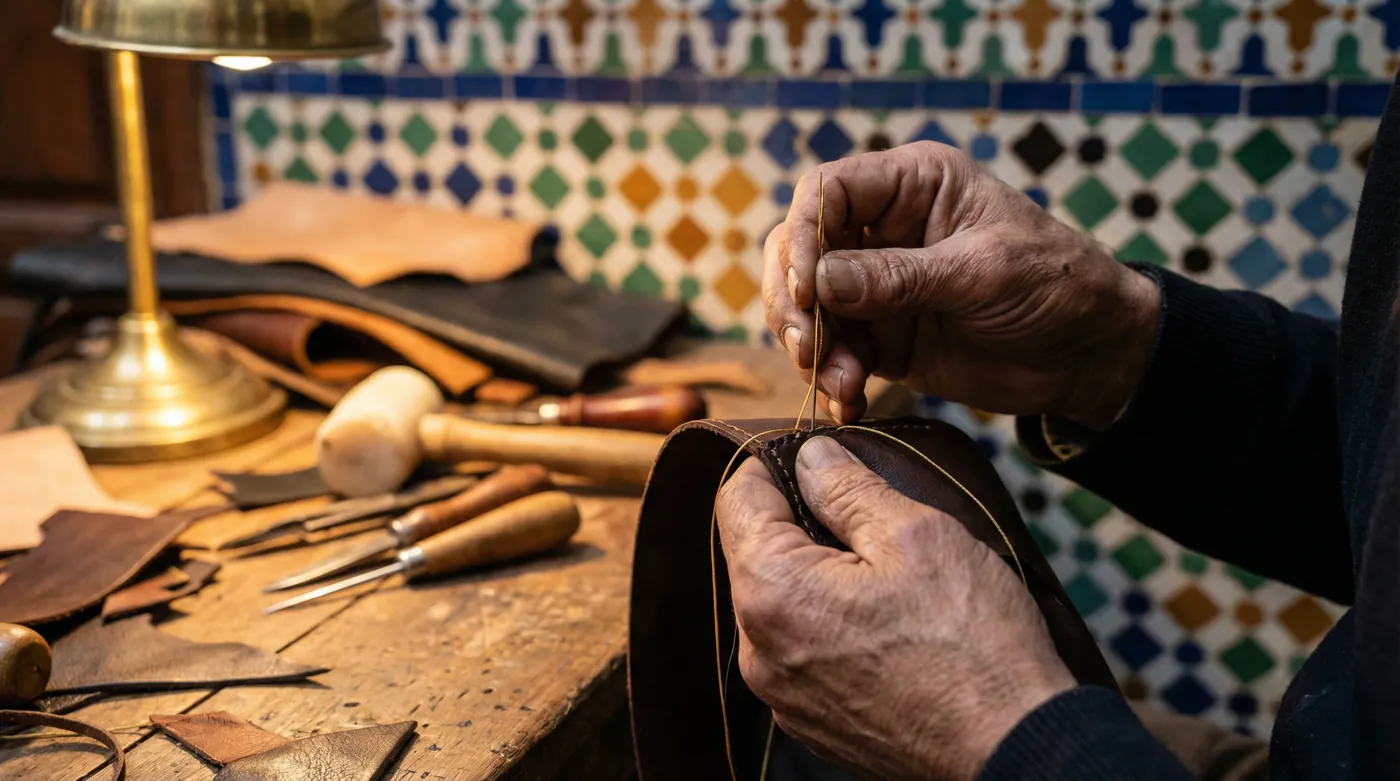
The Casablanca workshops, where everything is cut and sewn by hand.
-
2019
A name, a heritage.
The first venture ends, and everything has to be rebuilt: a name, workshops, a collection. The name comes from “mirath”, Arabic for heritage, with a sound that holds its place beside the great houses. The House is founded in Casablanca, and the first Miratti bags leave the workshops in August 2019. The leather is chosen tannery by tannery; the zips come from YKK.
-
2020
A quarter of the bags go abroad.
Two hundred and fifty pieces in the first year, a quarter of them sold online outside Morocco: France, Spain, the United States, Singapore. Anika, the first model for women, joins the collection. The workshops are in Casablanca and Fez. Lockdown stops them for a few months; the House uses the time to rethink the concept and move upmarket: design, materials, finishes.
The same year, a share of the profits goes to passing on the craft, with the Académie des arts traditionnels in Casablanca. And the founder tells this story on the set of “Qui veut investir dans mon projet ?”, on the Moroccan channel 2M.
-
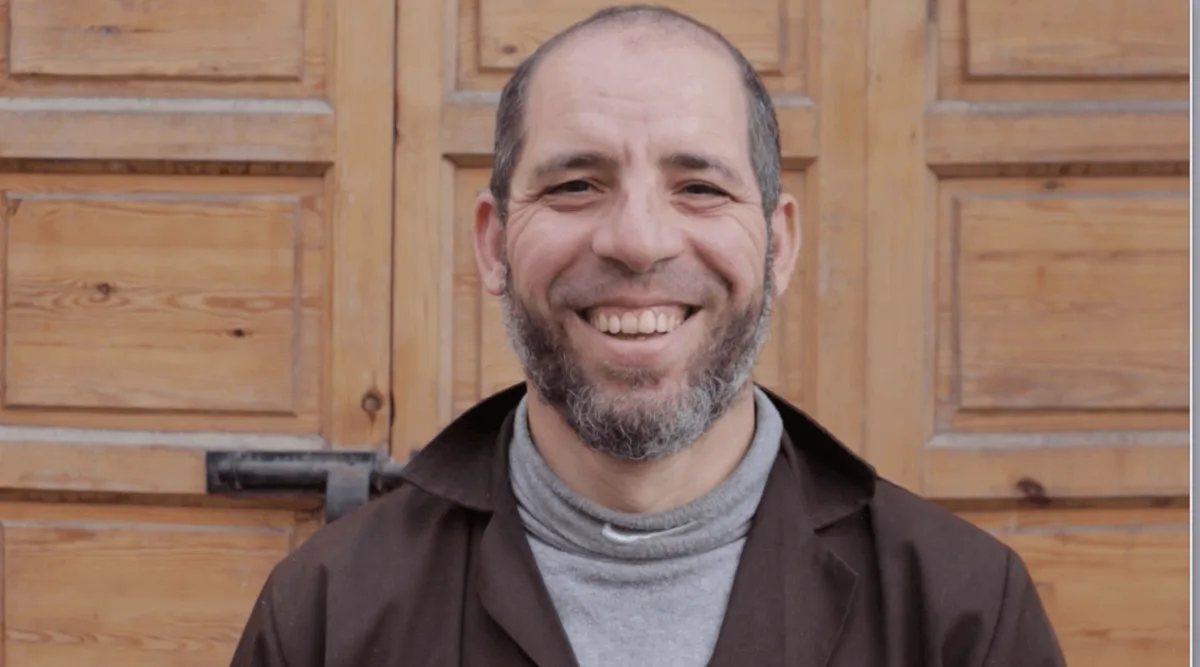
Without the artisans, no bag leaves the workshop.
-
2021
Going international.
Backed by the Incub-Start programme of Morocco’s Caisse centrale de garantie, the House signs its first distribution contract outside Morocco and opens discussions in Europe, Asia and the Middle East. With no boutique, it sells online and by pre-order, and shows what happens behind the scenes rather than shop windows: the medina workshops, the tanneries, the hands.
-
2022→ 2025
Companies.
The office bag becomes a business gift. Moroccan companies, by the dozen, give Miratti to their teams and their clients: pieces hot-stamped with their name or their initials. The House gains a second trade, and clients who come back every year-end.
-
2026
Twelve models, two hundred signed pieces.
The collection is tightened to twelve models, not one more. With MFL and Jaouad Zaïri, the House releases the JZ7 Collection: one hundred Mousafir backpacks and one hundred Jawal passport holders, numbered and signed by the number 7. And on the reverse of every piece, the gold star remains the only sign we do not show.
-
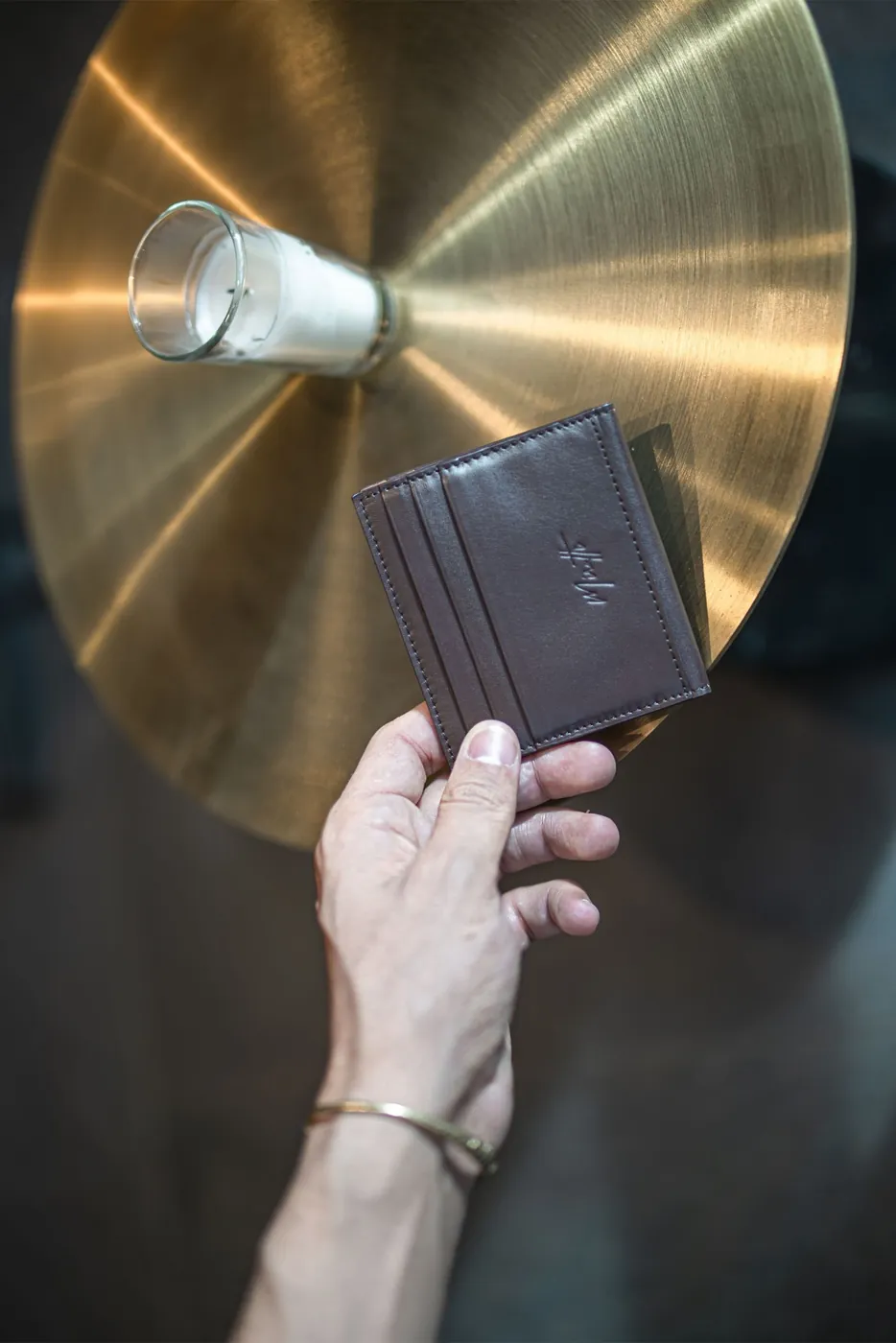
The star on the reverse: discreet outside, certain inside.
What has not changed
Leather first.
Full-grain cowhide, chosen at the tannery. YKK zips. A model goes through four to ten prototypes before it enters the collection.
A model is never final.
Every piece evolves with the feedback of those who carry it. That is how a first briefcase became a collection.
What we owe, we give back.
A share of revenue funds the passing on of the craft: training young artisans, equipping workshops, keeping the gesture alive.
The next chapter is written in Casablanca,
one model at a time.
Book an appointment · The House manifesto · Watch the film of Miratti’s beginnings (in French)